Layered Deer Scene Laser Cut: A Beautiful Way to Bring Nature into Your Art
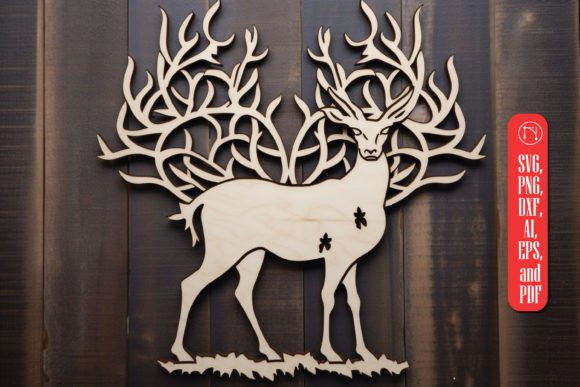
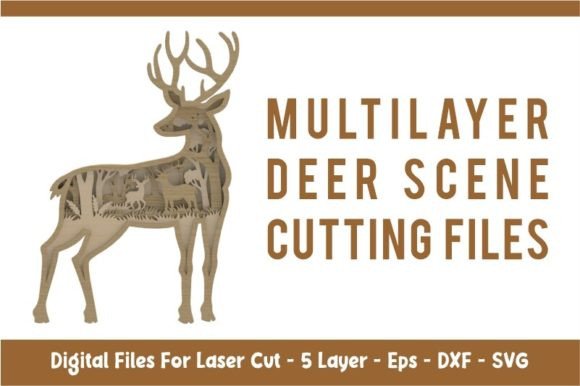
Creating a Layered Deer Scene Laser Cut is an engaging and rewarding craft project that allows you to design intricate wildlife art using laser-cut materials. These layered scenes typically consist of multiple pieces, each representing different elements of the image—such as the deer itself, trees, foliage, or mountains—that are assembled to create a three-dimensional effect. The result is a stunning piece of wall art or a decorative object that captures the elegance of nature in a unique way.
What Is a Layered Deer Scene Laser Cut?
A Layered Deer Scene Laser Cut is a DIY kit or digital file set designed for use with laser cutting machines. It includes several layers of artwork, usually in formats like SVG, DXF, and PDF, which can be resized and modified to suit your project needs. Each layer represents a part of the overall scene, such as the background, midground, and foreground elements, allowing for depth and visual interest when assembled properly.
These kits are popular among hobbyists, artists, and educators because they offer a blend of creativity and precision. Once all the layers are cut and arranged, the final product looks like a professionally crafted piece of art, making it ideal for home decor, gifts, or even classroom projects.
Why Choose a Layered Deer Scene?
Deer are universally admired animals, symbolizing grace, peace, and wilderness. A deer scene offers the perfect opportunity to showcase these qualities in a tangible form. Whether you're aiming to decorate your living room, create a meaningful gift for someone special, or simply enjoy a creative outlet, a Layered Deer Scene Laser Cut provides a versatile and satisfying solution.
One of the biggest advantages of this type of project is its scalability. You can choose how large or small you want the finished piece to be. However, many experts recommend using a size of around 25cm wide and 35cm high (approximately 10 x 15 inches) to maintain clarity and ease of assembly. Smaller sizes may cause some fine details to become challenging to work with, especially if you're new to laser cutting or assembling layered designs.
Challenges and Considerations
- Material Selection: Choosing the right material is essential. Plywood, acrylic, or cardstock are common choices, but each has different properties that affect the outcome. Thicker materials add more dimension, while thinner ones allow for finer detail work.
- Assembly Precision: Because the beauty of a layered scene relies on accurate placement of each component, careful attention must be paid during the assembly process. Even slight misalignments can detract from the overall appearance.
- Design Complexity: Some deer scenes include elaborate backdrops, such as forests, sunsets, or mountain ranges. While this adds to the visual appeal, it also increases the difficulty level of the project.
- Laser Cutter Access: If you don’t own a laser cutter, finding access to one at a local makerspace or online service becomes necessary. This requires planning and possibly budgeting for machine time or outsourcing the cuts.
How Can a Layered Deer Scene Laser Cut Help You?
If you’re looking for a creative yet structured project, a Layered Deer Scene Laser Cut could be just what you need. It helps bridge the gap between traditional crafts and modern technology, offering a hands-on experience that’s both artistic and technical.
For those who enjoy woodworking or papercraft, these kits provide a way to incorporate digital tools into their workflow. They also serve as excellent educational resources for teaching concepts like layering, spatial awareness, and design principles. Teachers and parents often use them to engage students in STEM-related activities by combining art with science and technology.
Practical Applications and Outcomes
The applications for a Layered Deer Scene Laser Cut are varied and adaptable:
- Home Decor: Transform your walls with a custom-sized deer scene that complements your room's aesthetic. These pieces can be framed or hung directly, adding a personal touch to any space.
- Gifts and Keepsakes: Create personalized gifts for friends, family, or clients. A deer scene can represent a shared memory, a birthday, or a holiday celebration in a thoughtful and artistic manner.
- Commercial Use: Artists and small business owners can use these kits to produce limited-run items for sale, such as framed art, jewelry boxes, or shadow boxes featuring layered deer scenes.
- Classroom Projects: Integrate these kits into art classes or maker spaces to teach students about design, craftsmanship, and the possibilities of laser cutting technology.
Once completed, a Layered Deer Scene Laser Cut serves not only as a decorative item but also as a conversation starter. Its layered construction invites viewers to look closely and appreciate the detail, making it a standout addition to any collection or display.
Getting Started: Tips and Recommendations
Before diving into your project, consider the following tips to ensure a smooth and successful build:
- Use the Right Tools: A laser cutter is obviously key, but having good-quality clamps, rulers, and tweezers will help with precise alignment and handling of delicate parts.
- Choose the Appropriate Material: For beginners, birch plywood is recommended due to its affordability and ease of use. More advanced creators might experiment with acrylic or MDF for different visual effects.
- Test with Smaller Pieces: Before committing to the full project, try printing or cutting a smaller version to get a feel for the design and complexity involved.
- Plan the Assembly Order: Decide which layers go where and in what order. Typically, the background is placed first, followed by midground and then foreground elements. This helps with visual balance and depth perception.
- Apply Adhesive Carefully: Use wood glue or double-sided tape to secure the layers. Apply sparingly to avoid warping or shifting once dry.
Also, make sure to follow the instructions provided with your specific kit. Some require painting or staining before assembly, while others are ready to hang after gluing. Taking the time to understand the steps will lead to better results and a more enjoyable crafting experience.
Different Approaches for Different Users
Depending on your experience level and goals, you might approach a Layered Deer Scene Laser Cut in various ways:
- Beginners: Start with a simple design and fewer layers. Focus on mastering the basics of laser cutting and assembly before moving on to more complex patterns.
- Experienced Crafters: Opt for detailed scenes with multiple backgrounds or textures. You can customize the colors and materials to create a truly unique piece.
- Business Owners: Invest in high-quality materials and larger formats for professional-grade products. Explore branding opportunities by incorporating logos or names into the design.
- Educators: Use these projects to teach design thinking, engineering, and art history. Encourage students to modify the original design or create their own versions inspired by the theme.
Where to Find Files and Kits
Most Layered Deer Scene Laser Cut kits come with downloadable files. These typically include:
- SVG: Ideal for vector-based software like Adobe Illustrator or Cricut Design Space.
- DXF: Compatible with most laser cutting machines and CAM software.
- PDF: Useful for manual tracing or as a reference guide for positioning and layout.
When purchasing a kit, look for one that includes clear instructions and examples of the finished product. This gives you a better idea of the level of detail involved and the assembly process required.
Final Thoughts
A Layered Deer Scene Laser Cut is more than just a craft—it's a gateway to exploring the intersection of nature, art, and technology. Whether you're a seasoned crafter or a curious beginner, this project offers something valuable: the chance to create something beautiful with your own hands.
By understanding the components, preparing the right tools, and approaching the task with patience and care, you can turn a flat design into a dimensional masterpiece. And with the flexibility of digital files, you can tailor the project to fit your space, style, and skill level perfectly.