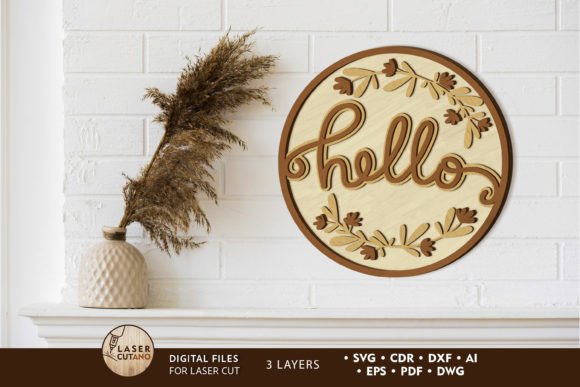
Ornamented Decorative Laser Cut Panel: A Modern Approach to Wall Art and Home Design
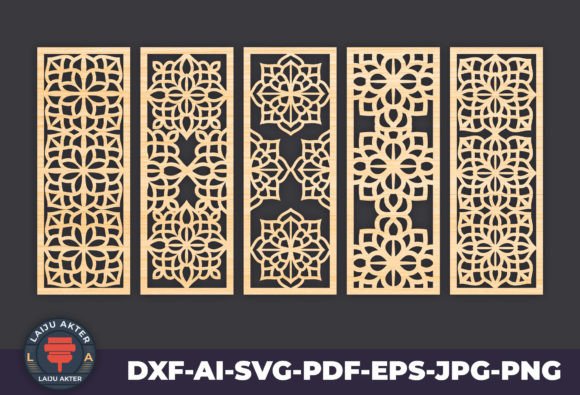
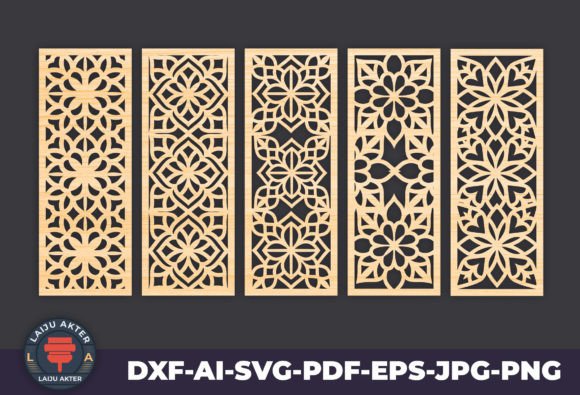
The Ornamented Decorative Laser Cut Panel is a versatile and aesthetically pleasing design element that has gained popularity among DIY enthusiasts, interior designers, and crafters. These panels are typically made from materials such as wood, acrylic, or metal and feature intricate patterns or designs that are cut using laser technology. The result is a visually striking piece of decor that can transform the ambiance of any space.
What Makes Ornamented Decorative Laser Cut Panels Unique?
One of the standout features of these panels is their precision. Unlike traditional hand-cutting methods, which can be time-consuming and prone to human error, laser cutting ensures clean lines, consistent shapes, and fine details. This level of accuracy makes it possible to create complex ornamental designs that would otherwise be difficult or impossible to achieve manually.
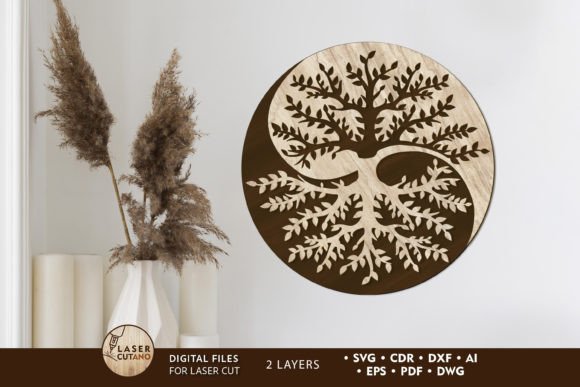
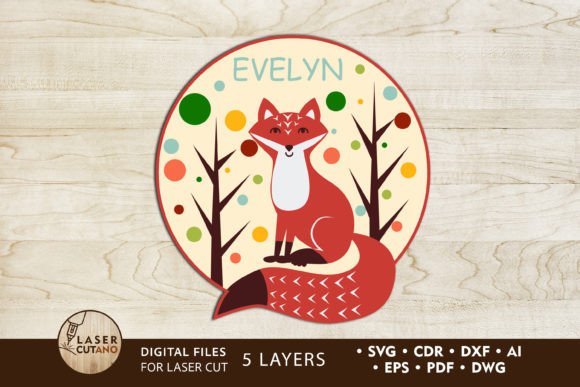
Additionally, the multilayer layout of many laser cut panel designs adds depth and dimensionality to the finished product. Each layer can be painted or stained differently before assembly, allowing for creative color combinations and visual effects. This layered approach not only enhances the overall look but also provides structural stability when glued together properly.
Design Flexibility and Customization
These panels are often provided in digital formats like .AI, .SVG, .DXF, .DWG, .CDR, .EPS, and .PDF, making them compatible with various tools such as CNC routers, laser cutters, and even some glowforge machines. This compatibility allows users to modify the size or design elements according to their specific needs or preferences. For example, if you're working with a larger wall space, you can scale up the design to make a more prominent statement.
However, it's important to note that reducing the size of the design should be done cautiously. Thin or delicate parts may become too fragile or lose their visual impact when scaled down. Users must consider this aspect when planning their project to ensure both functionality and aesthetic appeal.
Comparing Laser Cut Panels with Other Decor Options
When considering home decor options, it’s helpful to compare laser cut panels with other alternatives like framed artwork, 3D printed decorations, or handmade crafts. While each has its own merits, laser cut panels offer a unique combination of artistry and practicality.
- Framed Artwork: Traditional framed prints or paintings are easier to hang and come ready-to-display. However, they lack the three-dimensional texture and customizability of laser cut panels. They also tend to be less durable and don’t offer the same tactile experience.
- 3D Printed Decorations: Similar to laser cut panels in their dimensional quality, 3D printed items can be highly detailed. Yet, they often require specialized printers and materials, which may limit accessibility. Laser cut panels, on the other hand, can be produced with more widely available equipment and materials.
- Handmade Crafts: Handcrafted pieces bring a personal touch and can be very unique. However, creating such items demands considerable time and skill. Laser cut panels streamline the process while still offering room for customization through painting or staining.
Best-Fit Materials and Thickness
Choosing the right material is essential for achieving the desired look and durability. Commonly recommended materials include:
- Plywood: Affordable, sturdy, and easy to paint. Ideal for beginners and those looking for a natural wooden finish.
- MDF (Medium-Density Fiberboard): Smooth surface suitable for detailed work. It accepts paint well but isn't as strong as wood.
- Acrylic or Plexiglas: Adds a modern, transparent look. Great for contemporary spaces but requires careful handling during assembly.
- Metal: Offers a bold, industrial feel. More challenging to work with but produces long-lasting results.
- Cardboard or Paper: Budget-friendly and eco-conscious choices. Best suited for temporary displays or lightweight projects.
For wood-based projects, a thickness range of 3–6 mm (approximately 1/8 to 1/4 inch) is generally recommended. This thickness ensures the panel remains stable and maintains the integrity of the design without becoming overly heavy or cumbersome.
Strengths and Limitations of Laser Cut Decor Panels
Laser cut panels excel in several areas. Their ability to incorporate fine details and multiple layers sets them apart from simpler two-dimensional decor. The use of digital files allows for precise replication, meaning you can create identical pieces for symmetrical wall arrangements or multiple rooms. Moreover, the variety of materials available means you can tailor your project to match your budget, style, and intended use.
Despite these advantages, there are limitations to consider. The need for post-processing steps like painting or gluing can add time and effort to the project. Additionally, the initial investment in a laser cutter or access to one may be a barrier for some individuals. Those who prefer fully assembled products might find the DIY aspect of these panels less appealing unless they enjoy hands-on crafting.
When to Choose an Ornamented Decorative Laser Cut Panel
An Ornamented Decorative Laser Cut Panel is ideal for individuals who appreciate personalized, high-quality home decor and have access to a laser cutter or CNC router. If you want something that blends modern technology with traditional craftsmanship, this option could be perfect for you. It works especially well in living rooms, entryways, and office spaces where a warm, inviting atmosphere is desired.
For instance, imagine hanging a 14 x 14-inch laser cut sign with a sweet, nature-inspired design above your fireplace. Its layered construction and soft curves can fill the room with a sense of calm and coziness. Alternatively, a minimalist geometric panel placed behind a bed or sofa can serve as a subtle yet elegant focal point.
Alternatives and When to Consider Them
If you’re not comfortable with the assembly process or lack the necessary tools, pre-finished wall art might be a better fit. These are ready to hang and require no additional work, though they may not offer the same level of customization.
Another alternative is to purchase ready-made signs or panels from local retailers or online marketplaces. While convenient, these may not allow for the creative freedom that comes with using digital laser cut files. If your goal is to make a truly unique piece that reflects your personal taste, then the DIY route with laser cut files is likely the best choice.
Those interested in experimenting with different styles might also explore downloadable templates for other types of decor, such as engraved mirrors, shadow boxes, or illuminated panels. These variations can provide similar benefits in terms of detail and customization but differ in complexity and materials required.
Practical Tips for Using Laser Cut Files
To get the most out of your laser cut panel project, follow these tips:
- Unzip the file first: After downloading the .zip folder containing the digital layout files, always extract its contents to avoid issues with missing layers or incomplete designs.
- Review the number of layers: Many designs consist of multiple layers (typically three), each contributing to the final look. Ensure all layers are accounted for before starting the cutting process.
- Paint before assembly: Painting each layer separately allows for greater control over colors and shading. Once dry, glue the layers together carefully to maintain alignment.
- Consider lighting: Adding LED strips behind the panel can enhance its visibility and create a soft glow, particularly effective in low-light areas.
Conclusion and Decision Factors
In summary, the Ornamented Decorative Laser Cut Panel offers a compelling solution for those seeking to elevate their home decor with a blend of artistry and innovation. It stands out due to its precision, adaptability, and the opportunity for personal expression through material selection and color application. However, it's not the only option available, and its suitability depends on individual circumstances, including access to equipment, willingness to engage in a multi-step process, and preference for customized versus off-the-shelf products.
Before purchasing, ask yourself the following questions:
- Do I have access to a laser cutter or CNC router?
- Am I willing to spend time on assembly and finishing?
- Does my space call for a textured or layered decorative element?
- Would I benefit from the ability to replicate the design across multiple areas or gifts?
By answering these questions honestly, you’ll be better equipped to decide whether a laser cut panel is the right fit for your next decorating project. With the proper tools and preparation, you can easily turn these digital layouts into beautiful, lasting additions to your home or business environment.