Construction Vehicles Two Layer Laser 2: A Versatile Digital Resource for Creative Projects
For hobbyists, educators, and professionals alike, the Construction Vehicles Two Layer Laser 2 digital download offers a unique set of laser-cut design files that bring creativity and functionality to life. This product is ideal for those who want to incorporate detailed construction vehicle imagery into their work using laser cutters, CNC routers, or crafting tools like Cricut. With its two-layer format, it provides depth and dimensionality to projects, making it a valuable asset in both educational and artistic settings.
What Is Construction Vehicles Two Layer Laser 2?
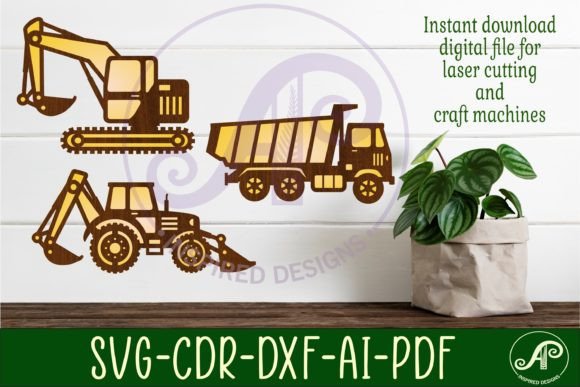
Construction Vehicles Two Layer Laser 2 is a digital design package featuring three high-quality SVG laser cut files of construction vehicles. Each file includes an intricate two-layer structure—perfect for layering effects in wall art, signage, or model-making. The package also supports multiple file formats including DXF, AI, CDR, and PDF, ensuring compatibility with a wide range of design and fabrication software.
The primary purpose of this resource is to provide users with scalable, customizable, and precise vector-based designs they can use in various applications. Whether you're designing classroom materials, creating home decor, or producing promotional items for a business, these files offer a clean, professional look that can be tailored to your needs.
Where Does It Fit Into a Broader Workflow?
In any creative or manufacturing process, the integration of digital assets like laser cut files plays a crucial role in efficiency and precision. Construction Vehicles Two Layer Laser 2 fits seamlessly into such workflows by serving as a ready-made design component that reduces the need for custom drafting. Here’s how it aligns with key stages:
- Pre-Project Planning: When conceptualizing a project involving laser cutting, especially one that requires thematic elements like machinery or construction scenes, these files act as pre-built components. They help streamline the planning phase by offering tested designs that save time and effort.
- During Fabrication: Once the project moves into the production stage, the ease of importing and resizing the files ensures quick setup on compatible machines. This allows for faster execution and fewer errors during the actual cutting process.
- Post-Production Assembly: After cutting, the layered nature of the design enables assembly into 3D structures or layered compositions. This makes it suitable for displays, educational models, or even interactive exhibits where visual depth matters.
Before Starting a Project
Using Construction Vehicles Two Layer Laser 2 early in the planning phase can significantly enhance your design strategy. For example, if you're preparing materials for a children's STEM workshop about engineering, having access to accurate and visually appealing construction vehicle cutouts helps you plan engaging activities more effectively. You can review the files, assess their dimensions (which are designed at 17–22cm wide or 6.7–8.6 inches), and decide how best to scale them for different age groups or presentation sizes.
It’s also helpful to test the files in your preferred software before purchasing. Many platforms allow free trials, which means you can verify that the formats (SVG, DXF, AI, CDR) will work well with your current tools and workflow.
During the Execution Phase
Once you've decided to proceed with the design, the next step involves importing the files into your laser cutter or crafting machine. The blue exterior cut lines included in the package make alignment and positioning straightforward, particularly when using devices like Glowforge or Cricut. These color-coded guides help prevent mistakes and ensure clean, consistent cuts every time.
If you're working on a batch project, consider organizing your files by type and size before starting the machine. This helps maintain consistency across all pieces and minimizes the risk of misalignment or scaling errors. Also, keep in mind the material thickness you're using; while the files are designed for standard wall decor, adjustments may be needed for denser materials like wood or acrylic.
After Completion
Post-production, the real value of Construction Vehicles Two Layer Laser 2 becomes evident. The layered designs can be assembled into miniatures, used as stencils, or incorporated into larger compositions. For educators, this might mean assembling the layers into tactile models for students to explore. For small businesses, it could translate into branded merchandise like signs or decorative panels.
Additionally, because the files are digital, they can be archived and reused for future projects. This is especially useful for anyone running recurring workshops or seasonal campaigns where similar themes appear frequently.
Integration with Other Tools and Resources
One of the strengths of Construction Vehicles Two Layer Laser 2 lies in its compatibility with multiple design and fabrication platforms. Below are some practical ways to integrate it into your existing toolset:
- Laser Cutting Machines: The blue cut lines are specifically formatted for Glowforge and similar systems. Just import the SVG file, adjust the size as needed, and send it to your machine for precise output.
- CNC Routers: DXF files are widely supported by CNC software, allowing for use in woodworking or metalworking projects. Make sure to calibrate your router settings based on the material being used.
- Cricut Machines: The solid image format within the zip folder is optimized for Cricut, enabling easy use in paper crafts, vinyl stickers, or fabric appliqués.
- CorelDraw Users: Those using CorelDraw can take advantage of the CDR file format to edit and manipulate the designs directly within the software.
When integrating these files with other resources—such as templates, textures, or background graphics—ensure that the scale and orientation match your overall design. For instance, if you’re creating a mural with construction themes, aligning the vehicle layers proportionally with the rest of the artwork enhances the visual harmony.
Practical Tips for Implementation
- Test Print First: Before cutting expensive or hard-to-source materials, print the PDF version to check proportions and placement. This is especially important for wall decor or signage projects.
- Use Layers for Depth: Take full advantage of the two-layer design by varying the colors or materials between layers. This adds a sense of realism and complexity to your final product.
- Organize Your Files: Extract the zip folder and categorize each file type separately. Keeping SVGs, DXFs, and AI files in distinct folders streamlines future access and editing.
- Resizing with Care: While the files are easily resized, always maintain the aspect ratio to avoid distorting the design. Most design software has a "lock aspect ratio" feature to assist with this.
- Material Selection Matters: Consider the end-use of your project when choosing materials. Thicker cardstock works well for wall art, while thin acrylic gives a polished look for commercial displays.
1. Classroom Education and STEM Activities
Imagine a classroom activity where students learn about construction equipment. By incorporating Construction Vehicles Two Layer Laser 2, teachers can create durable, reusable models that accurately represent bulldozers, cranes, and excavators. These models can be mounted on foam boards or used as part of a diorama to illustrate building processes.
2. Home Decor and Personalized Gifts
For DIY enthusiasts, the cutouts can be used in wall art projects, shadow boxes, or personalized gifts. Pairing them with wooden frames or painted backdrops creates a cohesive theme in home spaces. The scalability of the files also allows for customization to fit different room sizes or gift dimensions.
3. Business Branding and Marketing Materials
Entrepreneurs in the construction industry can leverage these designs for branding purposes. They can be used in trade show banners, office signage, or even as part of packaging for promotional products. The ability to resize and reformat the files makes them adaptable for both large-format printing and smaller, handheld items like keychains or magnets.
Considerations for Quality Control and Long-Term Use
To ensure long-term usability and quality, store the digital files in a secure location. If you're a frequent user of laser cutting, maintaining a library of digital assets like these can boost productivity and reduce time spent on sourcing or creating new designs from scratch.
When it comes to quality control, always preview the file on screen before sending it to the machine. Check for any overlaps or gaps in the cut lines that might affect the final result. Additionally, clean up the edges after cutting to remove any burrs or imperfections, especially if the piece will be handled often or displayed publicly.
Lastly, consider how these cutouts will age. If made from plastic or metal, they’ll last longer than paper or cardboard. Choose materials wisely depending on whether the item is meant for temporary use or as a permanent fixture.
Final Thoughts on Practical Application
Construction Vehicles Two Layer Laser 2 is more than just a collection of digital files—it’s a strategic resource for creators who value efficiency without compromising on detail. Its flexibility in format, ease of resizing, and compatibility with major design tools make it an excellent addition to both personal and professional projects.
By understanding how to use these files effectively throughout your workflow—from planning to post-production—you can unlock their full potential and create impactful, high-quality results. Whether you're an educator, a designer, or a small business owner, this digital download simplifies the process of bringing construction-themed visuals to life.
Remember, this is a digital download only. After purchase, you'll receive a zip folder immediately, so you can start working on your next project right away. Keep your files organized and test them in your environment to maximize their utility over time.